From cement made with captured CO₂ to AI-designed concrete and insulation grown from fungi, a new generation of building materials is challenging how we think about construction. But can these innovations meaningfully reduce the industry’s carbon footprint?
For decades, sustainable construction has focused on making buildings more energy-efficient. But there’s another significant source of emissions that often receives less attention: the carbon footprint of the materials used to construct those buildings in the first place.
According to the United Nations Environment Programme’s 2025–2026 Global Status Report, buildings and construction account for approximately 37% of global CO₂ emissions and nearly half of global material extraction. Reducing those emissions will require more than substituting one material for another.
Low-Carbon Concrete
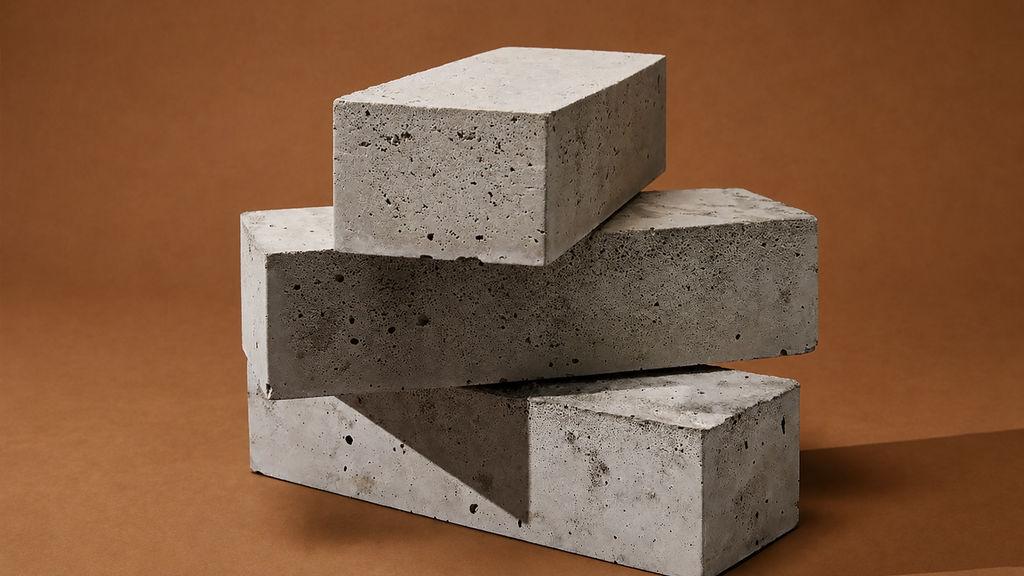
Concrete is one of the most important materials to decarbonize because of the enormous quantities used worldwide. Producing Portland cement involves heating limestone and other materials to high temperatures to form clinker. This process releases CO₂ through both fuel combustion and the chemical decomposition of limestone.
Alternative Cements and Low-Clinker Concrete
One of the most practical ways to reduce concrete emissions is to decrease the amount of Portland cement clinker required. Supplementary cementitious materials, or SCMs, such as slag, fly ash, and calcined clay, can replace some of the clinker in cementitious mixtures.
Limestone calcined clay cement, commonly called LC3, is especially promising because it combines limestone and calcined clay to reduce clinker content while maintaining useful engineering performance.
Cement Made With Captured CO₂
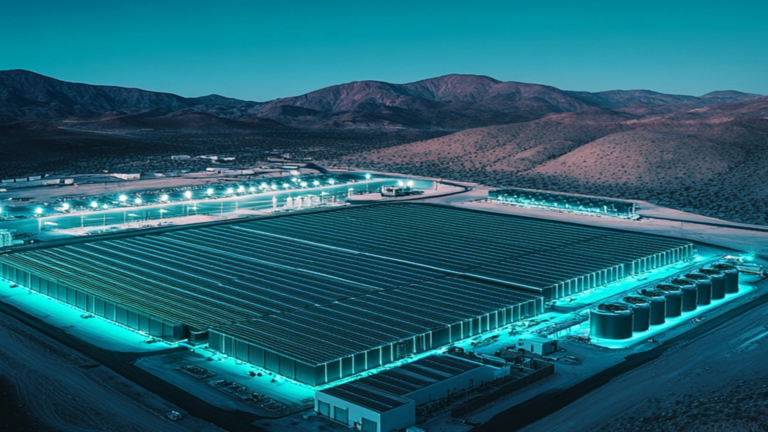
In October 2026, Fortera and Mississippi Lime Company announced plans for a commercial plant in Missouri designed to manufacture approximately 300,000 tons of ReAct cement annually using CO₂ captured from lime production. The plant is planned, not yet operating at that scale.
Other companies, including Sublime Systems and Brimstone, are developing alternative approaches that aim to reduce or avoid emissions associated with conventional Portland cement production.
Low-Carbon Steel
Steel presents another major decarbonization challenge. Traditional primary steel production commonly relies on coal-derived coke to convert iron ore into metallic iron. This generates substantial CO₂ emissions.
Electric arc furnaces (EAFs)
They can produce steel using electricity, often with recycled scrap metal. Their carbon footprint depends on the electricity source, feedstock, and other production inputs.
Hydrogen-based direct reduced iron (H₂-DRI)
This uses hydrogen as a reducing agent instead of relying primarily on carbon-based reductants. When produced with sufficiently low-emission hydrogen and electricity, this can dramatically reduce emissions from primary steelmaking.
Bio-Based Materials
Some of the most interesting low-carbon materials aren’t manufactured from minerals or metals. They’re grown. Wood, hemp, straw, and other plant-based materials absorb CO₂ during growth and store some of that carbon within their structures.
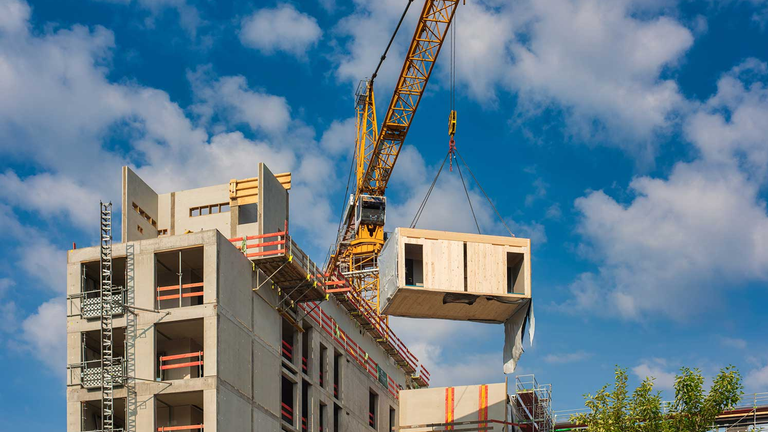
Mass Timber
Engineered wood products such as cross-laminated timber (CLT) and glued laminated timber (glulam) can replace certain conventional structural systems.
However, their environmental benefits depend on forest management, manufacturing emissions, transportation, building lifespan, and what happens to the wood at the end of its useful life.
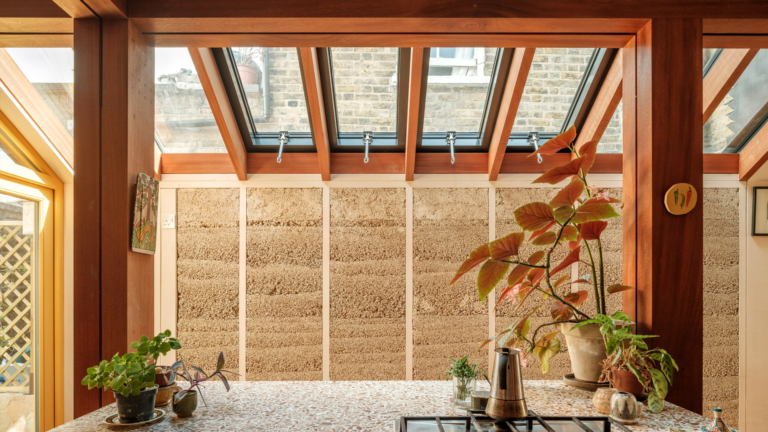
Hemp-Based Building Materials
Hemp-lime is generally used for non-load-bearing wall systems and insulation rather than as a direct structural replacement for reinforced concrete. Its potential advantages include carbon storage, vapor permeability, and the use of rapidly renewable agricultural feedstocks.
But bio-based doesn’t automatically mean carbon-negative. A 2025 life-cycle study of U.S. hemp insulation found that its environmental ranking changed considerably depending on how biogenic carbon was accounted for
The Challenges of Low-Carbon Materials
Despite rapid progress, several obstacles prevent newer materials from achieving widespread adoption.
- Building codes and testing: New products must demonstrate adequate strength, fire resistance, durability, and compatibility with applicable codes and standards.
- Performance and longevity: A lower-carbon product that requires frequent replacement may not reduce emissions over a building’s full life cycle.
- Misleading carbon claims: Terms such as carbon-neutral, carbon-negative, and green can hide important assumptions. Capturing CO₂ during production does not necessarily mean a finished product has a net-negative carbon footprint.
These challenges don’t mean low-carbon innovation should be dismissed. They mean manufacturers need transparent data, and designers and contractors need to evaluate products on measurable performance rather than marketing claims.